
Apex Dental Group has patients every week who ask the same honest question: “What actually happens when you get a single dental implant?”
If you are missing one tooth, or facing an extraction and trying to plan ahead, the implant process can feel unclear at first. Online searches often oversimplify it or make it sound intimidating. The reality is more structured, more predictable, and far more patient focused than many people expect.
This guide walks you through the complete process for getting a single dental implant, from your first visit at a dental office in Apex to the final restoration. Along the way, you will learn what your Apex dentist evaluates, how to prepare, what surgery day looks like, and how healing typically progresses.
Understanding a Single Dental Implant
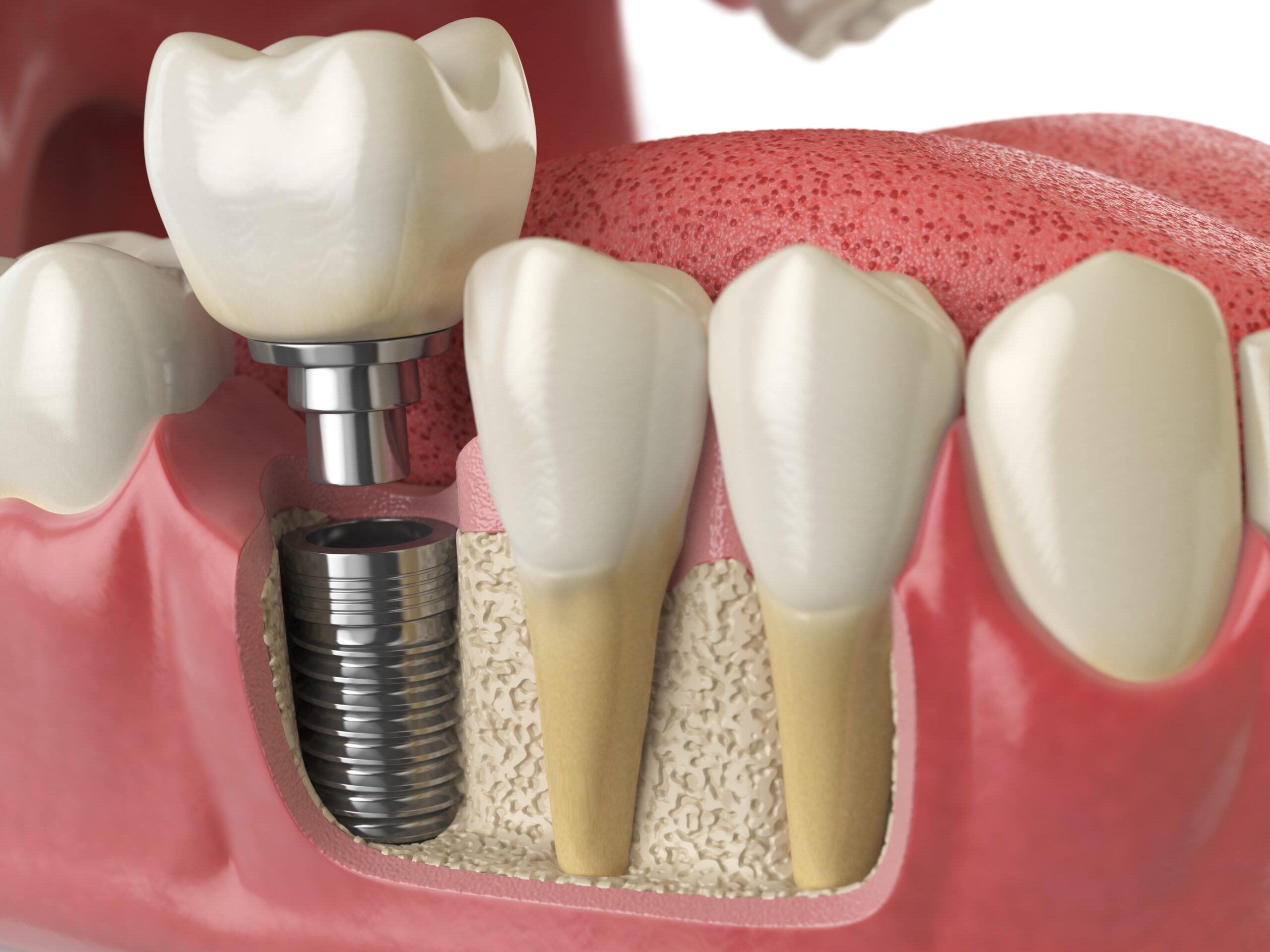
A single dental implant replaces one missing tooth from root to crown. It uses a small titanium post that integrates with your jawbone, creating a stable foundation for a custom crown. Unlike a bridge, an implant does not rely on neighboring teeth for support. That helps preserve natural tooth structure and bone health over time.
For many patients seeking dental implants in Apex, a single implant is chosen after tooth loss from decay, trauma, or a failed root canal. It can also be placed at the same time as an extraction in certain cases, depending on bone health and infection risk.
What to Expect During Your Implant Consultation
Your implant journey begins with a consultation that is equal parts education and evaluation. This appointment is not about rushing into treatment. It is about understanding your health, your goals, and whether an implant is the right solution for you.
During the visit, your Apex dentist reviews your medical history, medications, and dental history. Conditions such as uncontrolled diabetes, smoking habits, or certain autoimmune disorders may influence timing or planning, but they do not automatically rule out implants.
Advanced digital imaging is usually taken to evaluate bone density and anatomy. These images help determine if the jawbone can support an implant as is, or if bone grafting should be considered first. The position of nearby teeth, sinuses, and nerves is carefully mapped to plan safe placement.
You will also talk through timeline expectations, comfort options, and financial considerations. Many patients appreciate knowing that implant treatment happens in phases, with healing time built in to support long term success.
Planning and Personalization Before Treatment
Once you are confirmed as a candidate, the planning phase begins. This step often goes unnoticed by patients, but it plays a major role in predictable outcomes.
Your dentist designs the implant position based on how you bite, how the crown will sit, and how to support healthy bone over time. The goal is function first, followed closely by esthetics so the final tooth blends naturally with your smile.
If bone grafting is needed, it may be scheduled as a separate procedure before implant placement. In other cases, grafting can be done at the same visit as implant surgery. Your dentist will explain why one approach is recommended for your specific situation.
Preparing for Implant Surgery
Preparing for implant surgery is usually straightforward, and most patients are surprised by how manageable it feels.
You will receive clear pre appointment instructions, which may include eating a light meal beforehand unless nitrous oxide is planned. We do not offer IV sedation. If you take prescription medications, your dentist will let you know which to continue and which to pause temporarily.
Good oral hygiene leading up to surgery is important. Brushing, flossing, and using any recommended antibacterial rinses help reduce bacteria in the mouth. If antibiotics are prescribed, they are taken as directed to support healing.
Planning transportation can also be helpful. Even though many patients return to daily activities quickly, having a ride home allows you to relax and focus on recovery.
What Happens During Implant Surgery?
The day of implant placement is typically calmer than patients expect. The procedure is done right in the dental office in Apex, using local anesthesia. For those with dental anxiety, additional comfort options may be available.
After the area is numb, your dentist makes a small opening in the gum to access the bone. A precise channel is created to receive the implant post. The implant is then placed into position and secured. In some cases, a temporary healing cap is attached. In others, the implant is covered by gum tissue to heal beneath the surface.
The entire process for a single implant often takes less than an hour. Patients usually feel pressure rather than pain, and many report that it feels easier than a tooth extraction.
Immediately After Surgery
Once the implant is placed, you will be given post operative instructions to support healing. Mild swelling or tenderness is common for a few days. Ice packs, over the counter pain relievers, and soft foods usually manage discomfort well.
Most patients return to work or normal routines within a day or two, depending on the nature of their job. Strenuous exercise may be limited briefly to reduce swelling and promote clot stability.
Your dentist will also review what foods to avoid and how to keep the area clean without disrupting healing tissue.
Healing and Recovering From Implant Surgery
Healing is where dental implants truly set themselves apart. Over the next several weeks to months, the implant fuses with the surrounding bone in a process called osseointegration. This creates a strong, stable anchor for your future crown.
During this phase, you may not notice much happening at all. The implant remains beneath the gums or with a small healing cap visible. Routine check ins allow your Apex dentist to monitor progress and ensure everything is integrating as planned.
Healing time varies by patient, bone quality, and whether grafting was involved. Many single implants are ready for restoration in three to four months. Others may benefit from additional time to ensure long term stability.
Placing the Abutment and Crown
Once healing is complete, the final restorative phase begins. A small connector piece called an abutment is attached to the implant. This serves as the base for the crown.
Digital impressions are taken to design a custom crown that matches your natural teeth in shape, size, and shade. Careful attention is paid to bite alignment so the implant functions comfortably alongside your other teeth.
When the crown is placed, it is secured to the abutment and adjusted as needed. Most patients say this appointment feels no different than getting a standard dental crown.
Life With a Single Dental Implant
After restoration, your implant should feel like a natural part of your smile. You can eat, speak, and brush normally. There is no special cleaning routine beyond good oral hygiene and regular dental visits.
Dental implants do not decay, but the surrounding gums and bone still require care. Brushing twice daily, flossing, and professional cleanings help protect the investment you have made in your oral health.
With proper care, a single implant can last many years. While no dental treatment comes with a lifetime guarantee, implants are considered one of the most reliable tooth replacement options available today.
Why Choose Dee for Dentist for Your Dental Implant Journey?
Choosing who places your implant matters just as much as the implant itself. Experience, planning, and patient communication all influence outcomes.
At Apex Dental Group, implant treatment is approached with careful evaluation and personalized planning. Patients are not rushed through decisions, and each step is explained clearly so you know what to expect before moving forward.
As an Apex dentist serving the local community, the team understands the importance of long term function, comfort, and esthetics. The goal is not just replacing a missing tooth, but restoring confidence and daily comfort in a way that feels natural and sustainable.
If you are exploring dental implants in Apex and want clear answers without pressure, scheduling a consultation is often the best first step. It allows you to learn your options, ask questions, and decide when and how to move forward based on what feels right for you.
Dental implants are a process, not a single appointment. When done thoughtfully, they offer one of the most durable and natural solutions for replacing a missing tooth, helping you smile, eat, and speak with confidence again.